
© JGI/Hugo van Lawick
認識 珍古德博士
1934
珍古德博士
出生於英國倫敦。
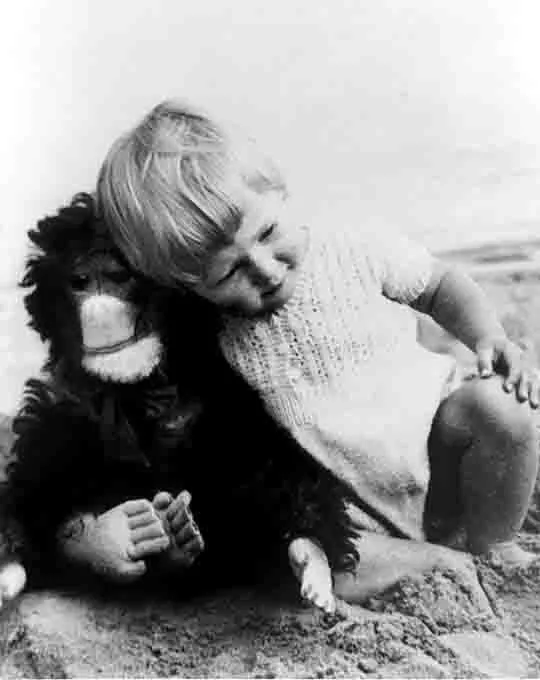
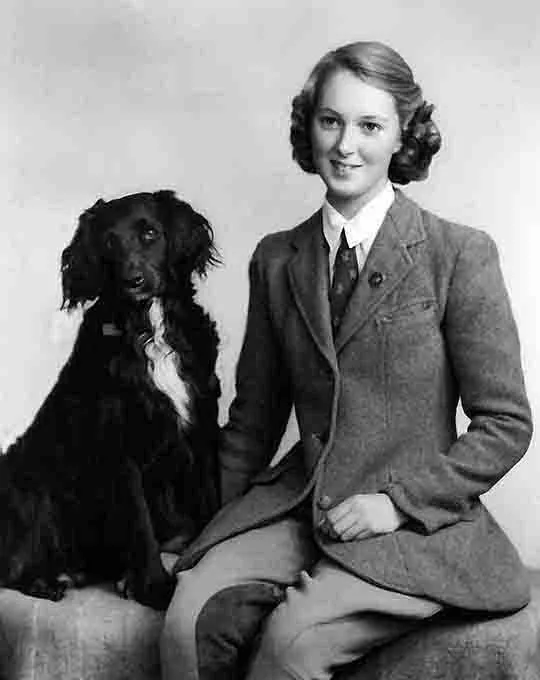
珍古德博士於1934年4月3日出生於英國倫敦。從小她就喜愛動物,常常在後院靜靜地觀察鳥兒和松鼠直到天黑。她也閱讀泰山和杜立德醫生的故事,夢想著與動物一起生活的日子。
Valerie Jane Morris-Goodall was born on April 3, 1934, in London. From earliest childhood, Jane’s mother encouraged her fascination with animals. Young Jane immersed herself in books about wild animals and dreamed of a life alongside African wildlife like Tarzan and Dr. Dolittle.
與路易斯·李基博士的相遇
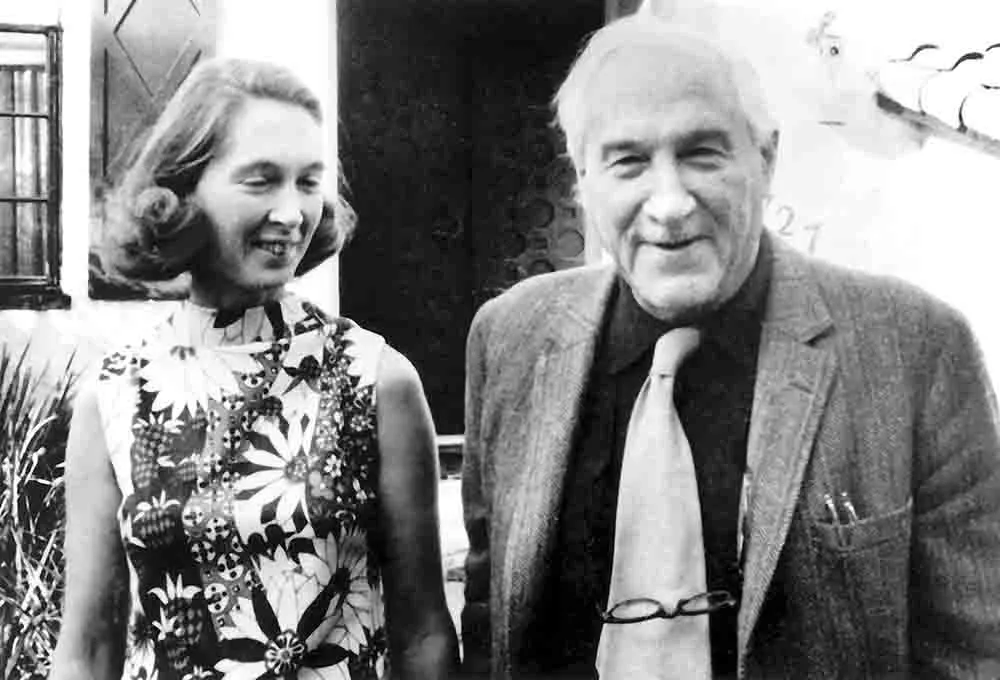
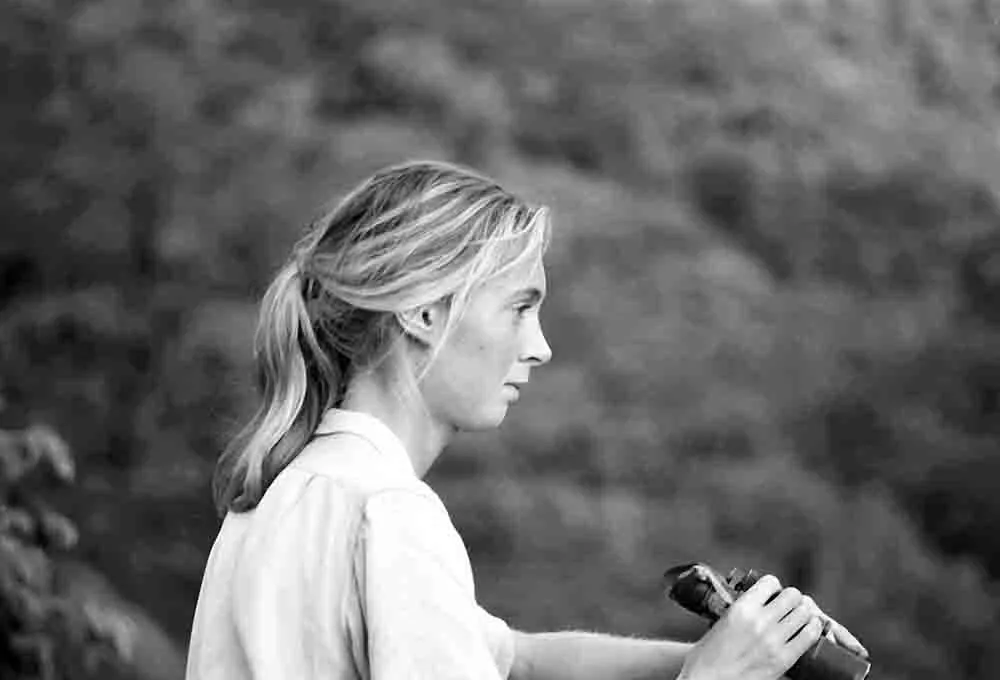
懷著對動物的無盡好奇心,珍於1957年前往肯亞拜訪朋友,在那裡遇見了人類學權威路易斯·李基博士。當時,李基博士正在研究人類祖先,並尋找能夠進行類人猿實地調查的人才。
李基博士看出珍對動物的熱情和知識,以及她敏銳的觀察力和堅韌的耐心,於是籌集了六個月的研究資金,派遣珍前往非洲研究野生黑猩猩的棲息地。
Jane’s Mentor Dr. Louis Leakey
In 1957, Jane eagerly accepted a schoolmate’s invitation to the family farm in Kenya. Within a few months of arriving, she met the famed paleoanthropologist, Dr. Louis Leakey. Dr. Leakey was searching for the right person to study fellow great apes, particularly chimpanzees. This was not only to better understand these little-known primates, but also to gain insight into the evolutionary past of humans, as chimpanzees and humans share a (most recent) common ancestor some 6 million years ago. He was drawn to Jane’s persistent desire to understand animals and believed that a mind uncluttered by the reductionist thinking of ethologists of the time would yield a fresh perspective.
© JGI/Courtesy of the Goodall Family
© JGI/Courtesy of the Goodall Family
© JGI/Joan Travis
© JGI/Judy Goodall
1960
前往東非坦尚尼亞湖畔:岡貝國家公園。
就這樣,珍於1960年7月抵達了東非坦尚尼亞湖畔的岡貝地區。
所有人都對珍說:「一個沒有經驗也沒有學位的26歲女性,不可能在非洲深處的叢林中進行研究調查。」然而,從小就培養珍好奇心的母親范妮(Vanne),打破了這種刻板印象,不斷支持著她的夢想。
In July 1960, Jane arrived on the shores of Lake Tanganyika in what is now Gombe National Park, Tanzania, East Africa. Everybody said, “How will you do that? You don’t have money. Africa’s far away. It’s a dangerous place and anyway you’re just a girl. Girls don’t do that sort of thing.”, except her mother, who encouraged Jane’s dream.
實地研究的開始
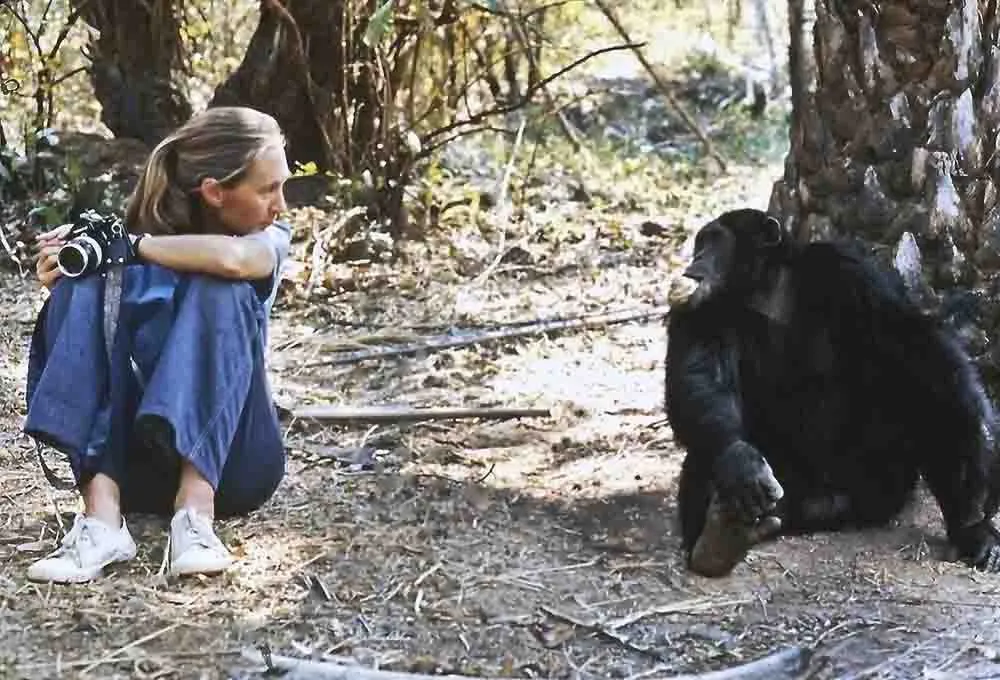
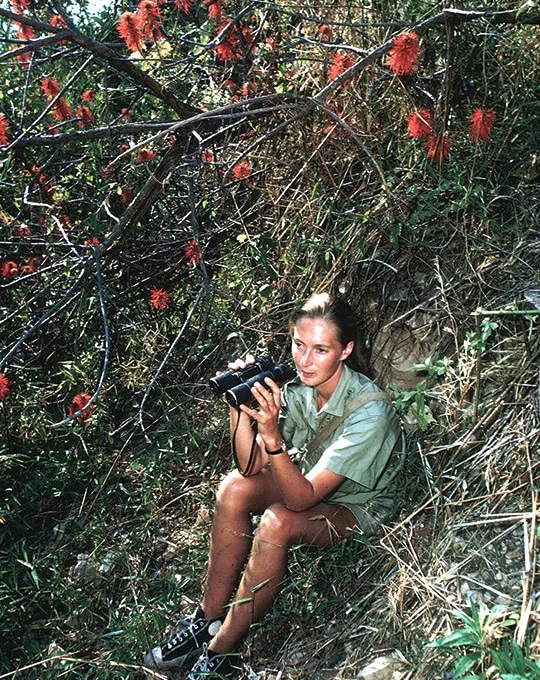
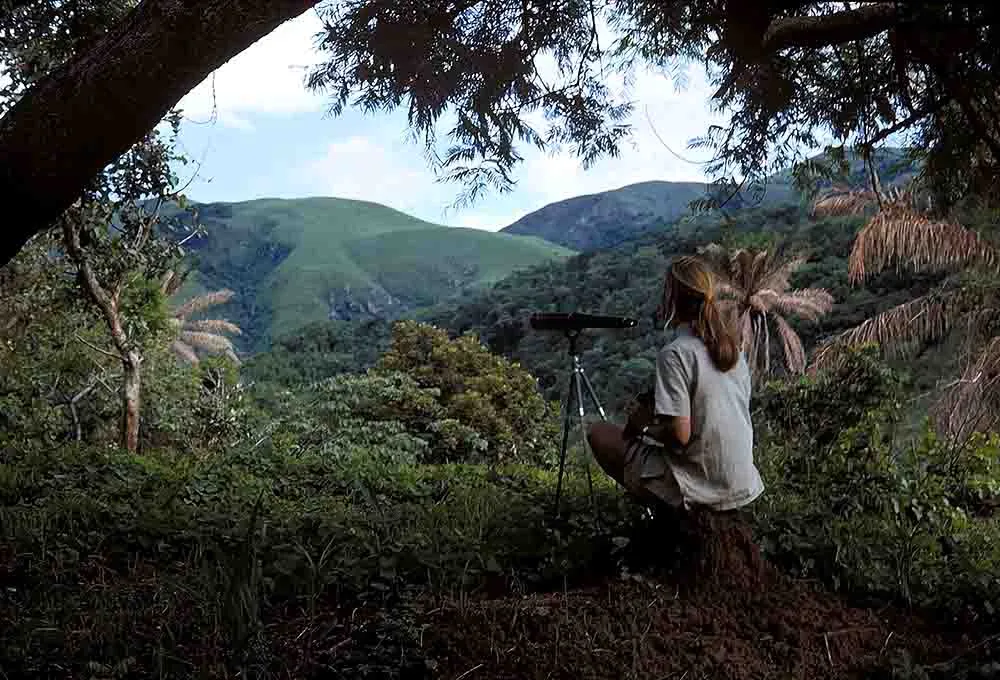
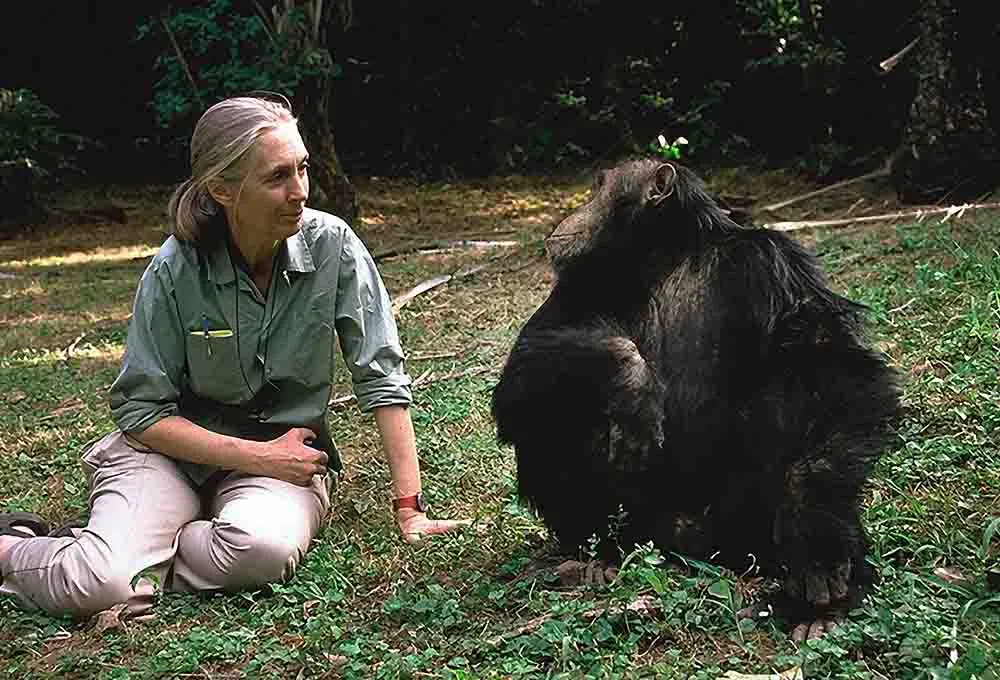
珍剛開始研究時,黑猩猩一看到她就立即逃跑,甚至無法接近牠們。但珍從不放棄,每天爬上山頂,用望遠鏡靜靜地持續觀察黑猩猩。
隨著與黑猩猩之間的距離逐漸縮短,她開始掌握牠們的特徵並能夠辨認出牠們的臉,因此珍為每一隻黑猩猩取了名字。雖然現在的實地研究中為研究對象命名已成主流,但當時這種方法被認為是非常突破傳統的。這是因為研究者們通常用編號稱呼研究對象,認為只有人類才具有個性和情感。
在珍早期發表的論文中,她被指責過度擬人化黑猩猩。當然,我們需要注意不要混淆事實與研究者的主觀解釋,但正是因為珍關注黑猩猩「心靈」的深度,才產生了各種研究成果。
Jane Arrives in Gombe
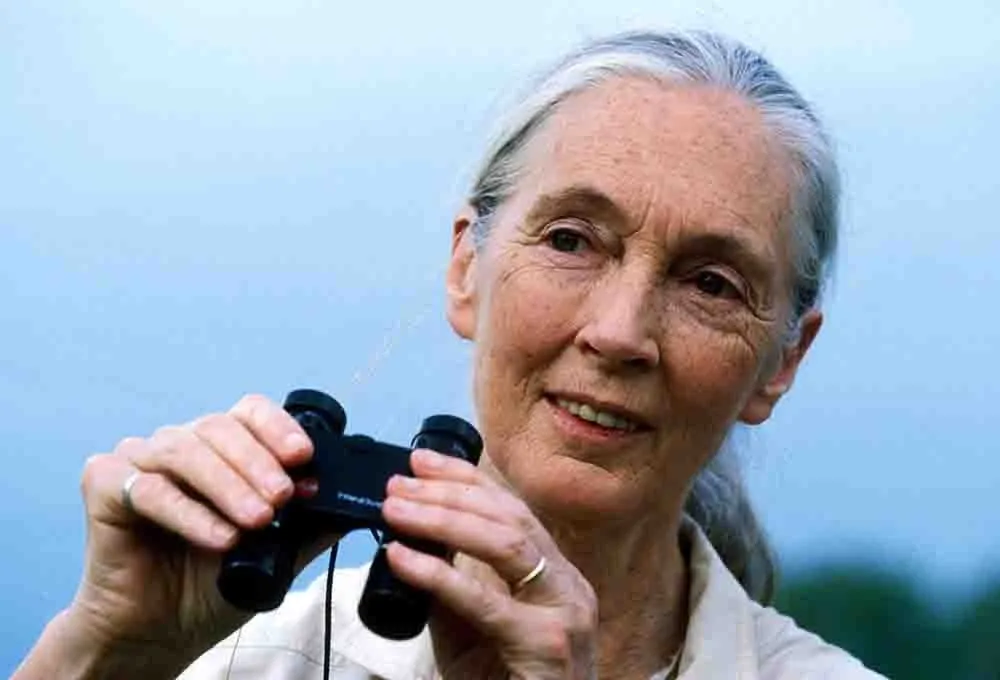
Equipped with little more than binoculars, a notebook and her fascination with wildlife, Jane ventured into what was then called the Gombe Stream Chimpanzee Reserve – embarking on a journey that would redefine the relationship between humans and other animals and ultimately help shape the burgeoning strategies of world conservation into the 21st century.
She took an unorthodox approach, immersing herself in the chimpanzee’s habitat. After months of trying to gain their trust, she was able to experience their complex society as a neighbor, rather than a distant observer. She then further defied scientific convention by giving them names instead of numbers. She came to understand them not only as a species, but as individuals with personalities, complex minds, emotions, and long-term bonds.
© Hugo van Lawick
© Hugo van Lawick
© JGI/Hugo van Lawick
© JGI/Jane Goodall
震撼科學界的重大發現
1960年10月,珍與她命名為「白鬍子大衛」的黑猩猩之間的故事,是她職業生涯中不可或缺的代表性成就之一。當時的科學界認為,製造和使用工具是區分人類與動物的關鍵。然而,珍目睹大衛將去除葉子的樹枝插入蟻丘中,釣起白蟻進食的景象。「我們要麼重新定義人類和工具,要麼接受黑猩猩是人類!」李基博士的這句話說明了這一發現對科學界的震撼程度。這一發現使國家地理學會成為研究贊助商,並使研究得以持續進行。
Revolutionizing Primatology
One day, in October 1960, she saw the chimpanzee she named David Greybeard use grass stems to fashion tools for fishing termites from their nest. Up until that revelatory moment, mainstream scientists thought humans were the only species to make and use tools, having defined us as “Man the Toolmaker.” Her insights rocked the scientific world, prompting Dr. Leakey to proclaim, “Now we must redefine man, redefine tool, or accept chimpanzees as humans!” Her published findings on the tool-making practices of chimpanzees remain one of the most highly regarded observations in the world of animal behavior research.
三十二歲首次獲得學位
在岡貝的最初幾年,珍發現了幾種改變我們對黑猩猩認識的行為。黑猩猩具有同情心和利他主義精神,會獵食並食用肉類(雖肉類在飲食中的佔比不到3%),會進行原始戰爭,家庭成員(特別是母子)之間有著深厚的情感紐帶。
1961年,珍以博士候選人身份進入劍橋大學,成為未完成碩士課程就被允許入學的第八位學生。她在繼續岡貝研究的同時,於1966年獲得了動物行為學博士學位。她開創的黑猩猩研究至今仍被許多研究者繼承,成為關於非人類動物最長久的研究。
Ph.D. in Ethology
During her first years at Gombe, she also observed several other behaviors that transformed our understanding of chimpanzees. This included that they 1) Can be compassionate and altruistic, 2) Will hunt and eat meat (though it is less than 3% of their diet), 3) Can engage in “primitive warfare,” and 4) Have lasting bonds between family members (all species have strong mother-infant bonds). In 1961, Jane entered Cambridge University as a Ph.D. candidate, only the 8th person to be admitted without an undergraduate degree. She repeatedly returned to Gombe to continue her observations throughout her time at Cambridge, before earning her Ph.D. in Ethology (animal behavior) in 1966 and continued her research in Gombe.
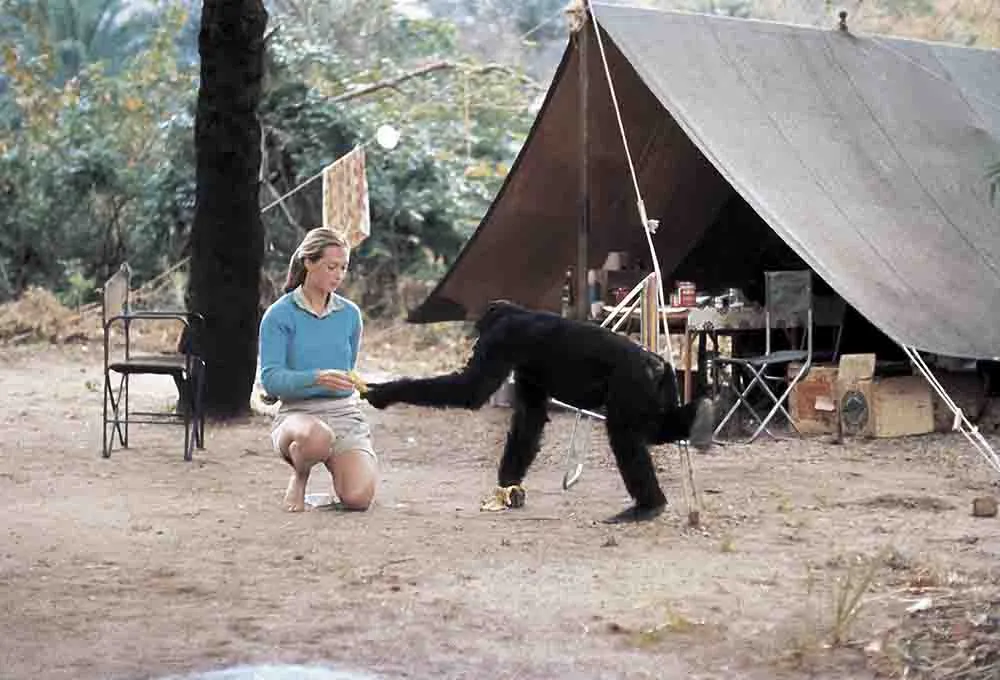
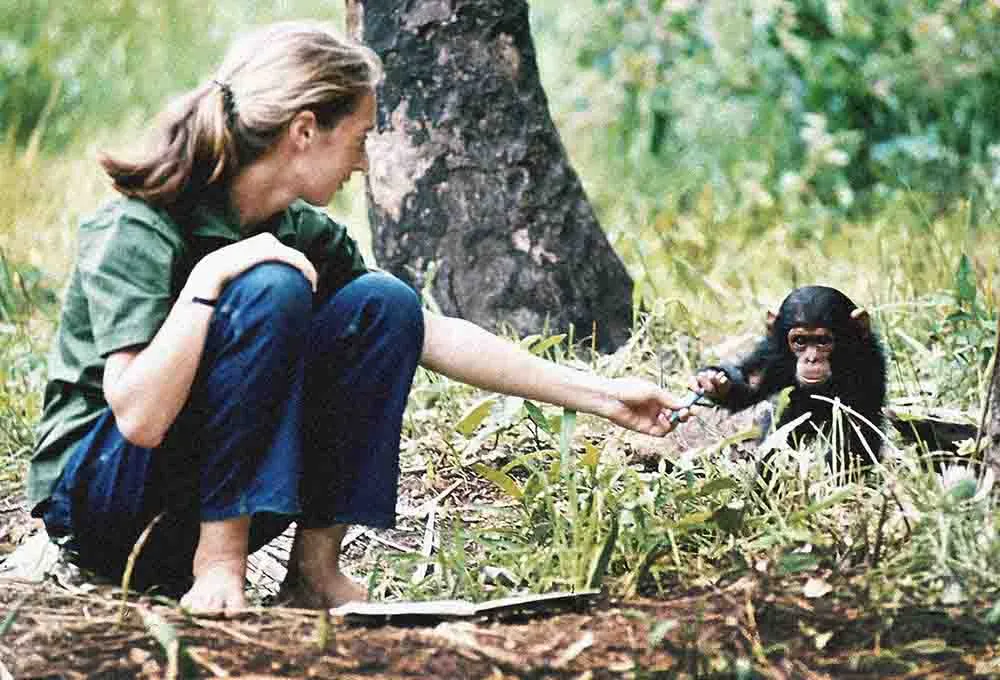
© Hugo van Lawick
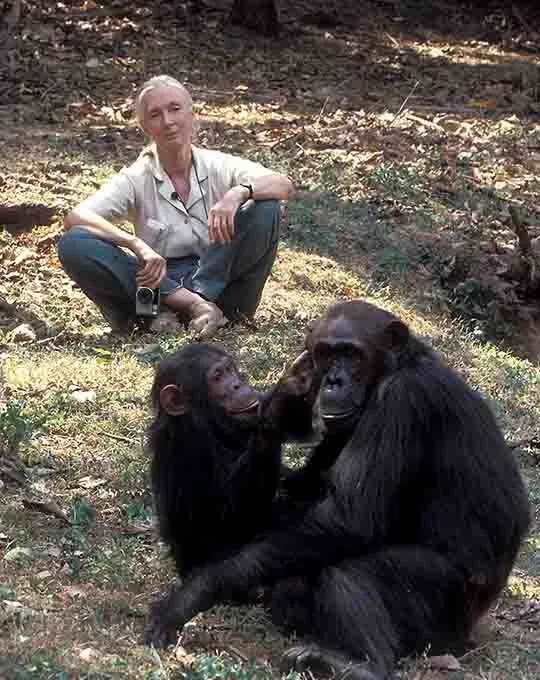
© Kristin J. Mosher
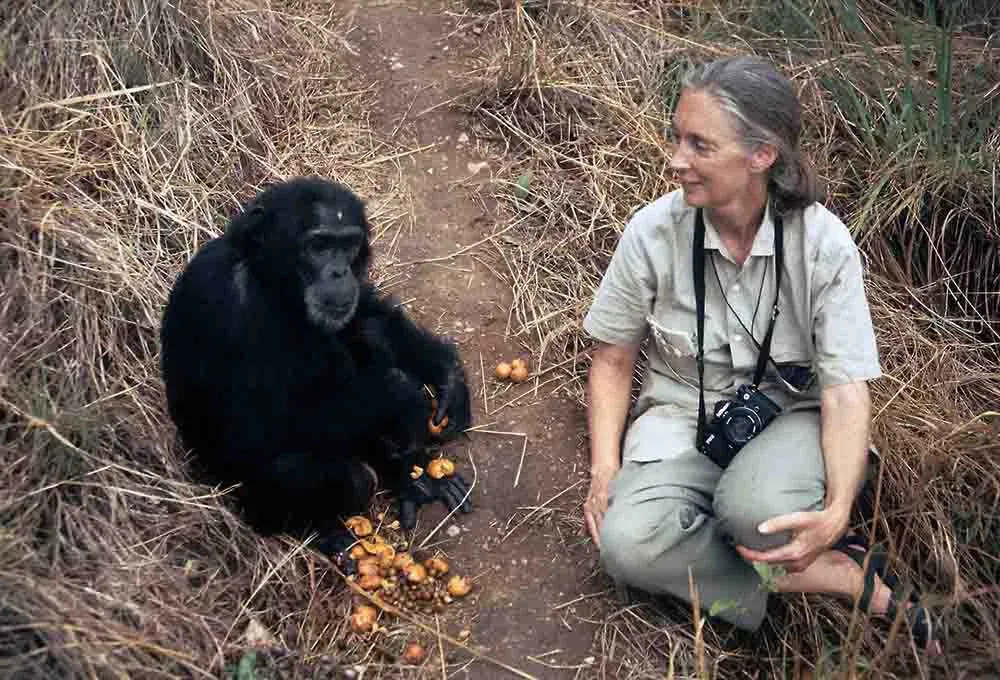
1977
珍古德協會的創立。
在確保岡貝溪流研究中心的研究可持續性的同時,珍的調查研究擴展到保護黑猩猩和其他動物棲息的森林活動,並於1977年創立了珍古德協會(Jane Goodall Institute)。目前,JGI在全球30多個國家設有據點,串連在地資源,邀請每個人解決身邊的問題,這些力量匯聚成強大的動力,引領我們邁向『社群』、『動物』和『自然環境』和諧共存的和平世界。
目睹地球環境惡化,並遇到因此而失去希望的孩子們後,珍於1991年創立了青少年環保計劃「根與芽(ROOTS & SHOOTS)」。為了阻止貧困、教育問題與環境破壞之間的惡性循環,她在1994年創立了非洲第一個社區主導型環保計劃「塔卡里(TACARE)」。如今,根與芽計劃已遍布全球,每年有超過一百萬兒童參與其中。而從12個村莊開始的塔卡里計劃,現已在100多個村莊實施,不僅改善了當地居民的生活,也使許多森林得到恢復,過去的努力已結出碩果。由於其無私奉獻的活動,珍於2002年被任命為聯合國和平大使。
In 1977, Jane established the Jane Goodall Institute (JGI) to advance her vision around the world and for generations to come. JGI continues essential research at Gombe Stream Research Center and is a global leader in the effort to protect chimpanzees and their habitats through community-led conservation.
The organization also advances best practices in animal welfare, innovative applications of science and technology, and youth empowerment through its Roots & Shoots program, created in 1991. In 1994, JGI launched TACARE, a program supporting locally managed education and socio-economic development together with sustainable natural resource management. In April 2002, Secretary General Kofi Annan named Jane a United Nations Messenger of Peace.
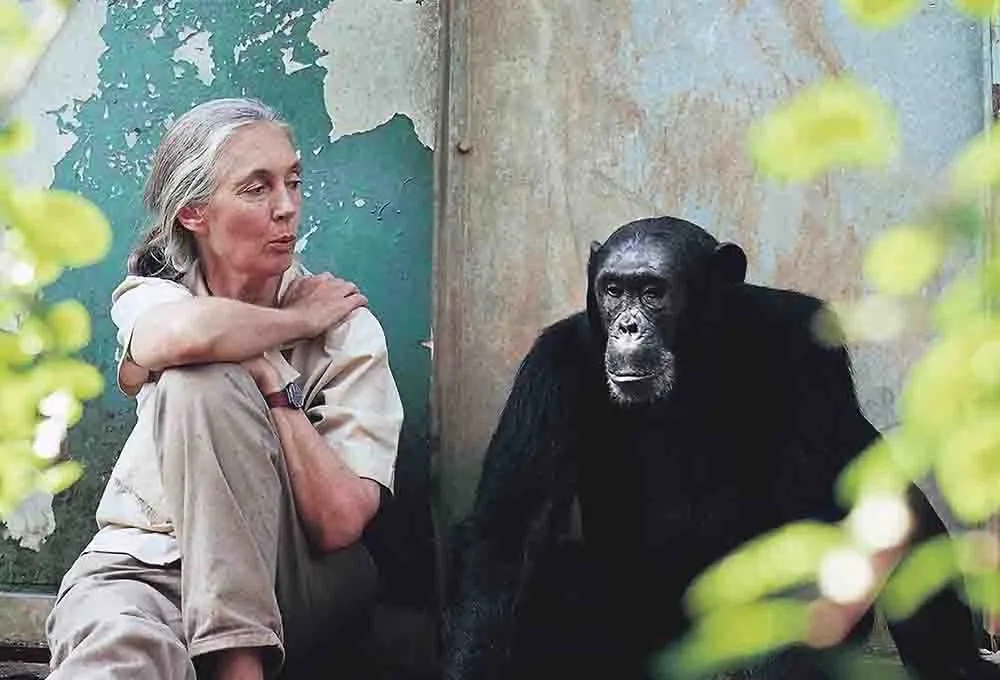
© Michael Neugebauer
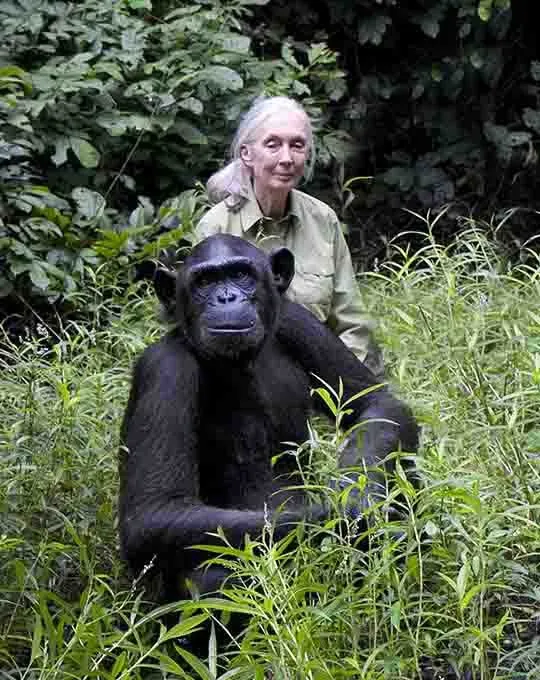
© JGI/Fernando Turmo
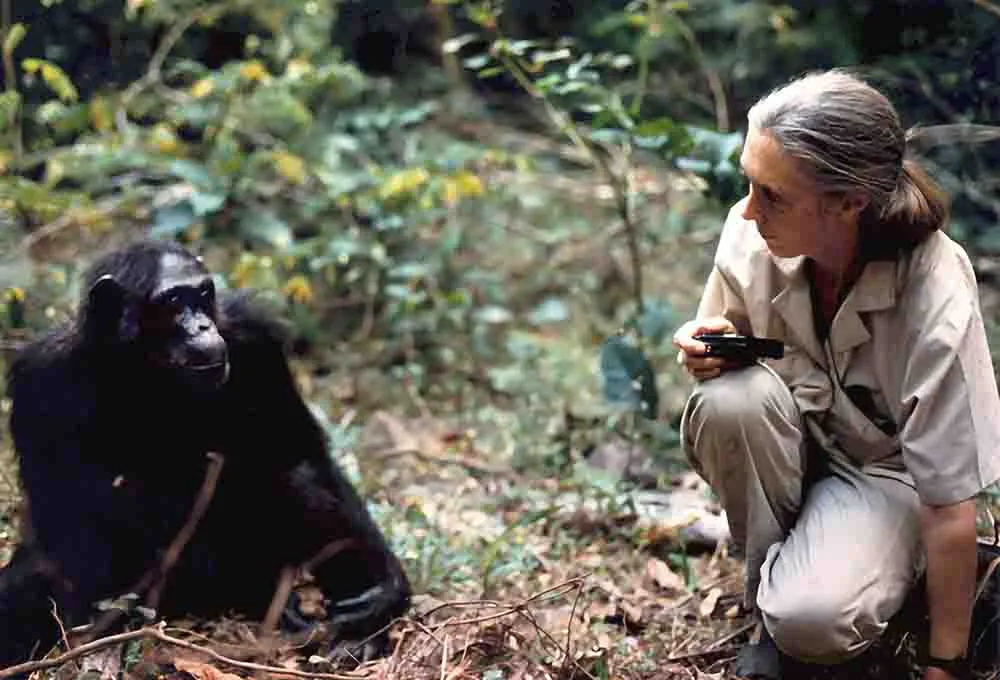
© Michael Neugebauer
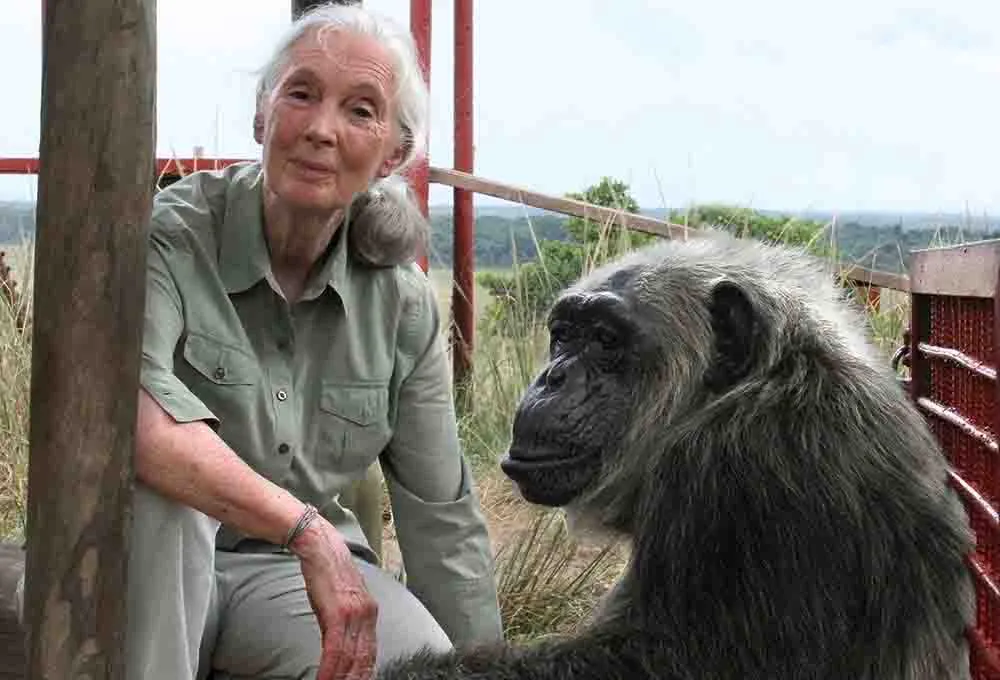
© JGI/Fernando Turmo
© Michael Neugebauer
今日
作為希望的使者
持續不斷前行。
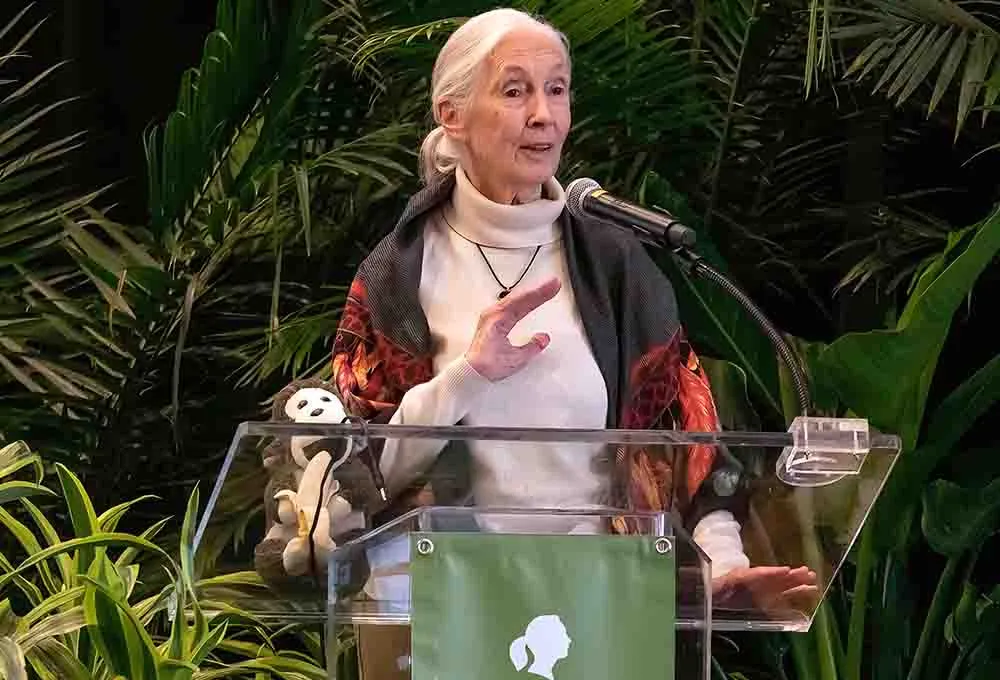
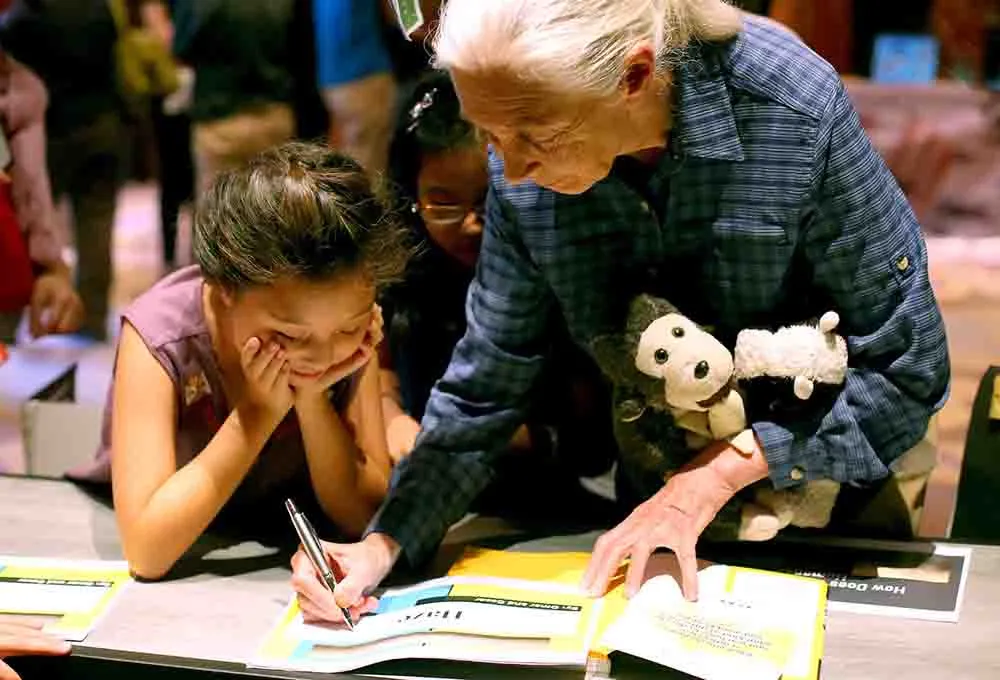
珍每年花費300天在世界各地進行演講活動,呼籲人們應對氣候變化,並播下促使行動的希望種子。即使在全球封鎖期間,她以「虛擬珍」(Virtual Jane)為題,每天透過遠程方式與世界各地保持聯繫,接受演講和採訪邀請,並通過播客傳遞感人故事。
「我們必須尊重人類、動物和自然,不分彼此。」
珍古德博士溫柔而堅定的言行,像是儲蓄能量的種子,也在臺灣生根發芽,珍古德協會希望與所有認同珍古德博士理念的人一起,作為這個美麗地球的居民,共同推廣我們的活動。
在一個沒有珍古德博士的世界裡,讓我們用最美好的方式,傳承博士的理念,守護大自然、支持年輕人、做彼此的後盾,讓我們永遠選擇行動和希望。
Prior to the Pandemic, Jane traveled on average 300 days per year, speaking about the threats facing chimpanzees, other environmental crises, and her reasons for hope. Today, Jane continues to connect with worldwide audiences, despite present challenges, through ‘Virtual Jane’ including remote lectures, recordings, and her podcast, the “Jane Goodall Hopecast.” She shares her message of hope and inspires people worldwide to take action on behalf of people, other animals, and the planet every single day…
“Respect for each other. Respect for the environment. Respect for Animals.”
Jane gave us this vision and started this work. The rest is up to us. Together, with everybody making a difference, we can change the world.In the word without Jane, we keep her vision in our hearts, and know that this is not the end, but the beginning of a new era . An era where we will always choose action over apathy, and most importantly, hope over despair.
© JGI/Mary Paris
© Stuart Clarke
© JGI/Bill Wallauer
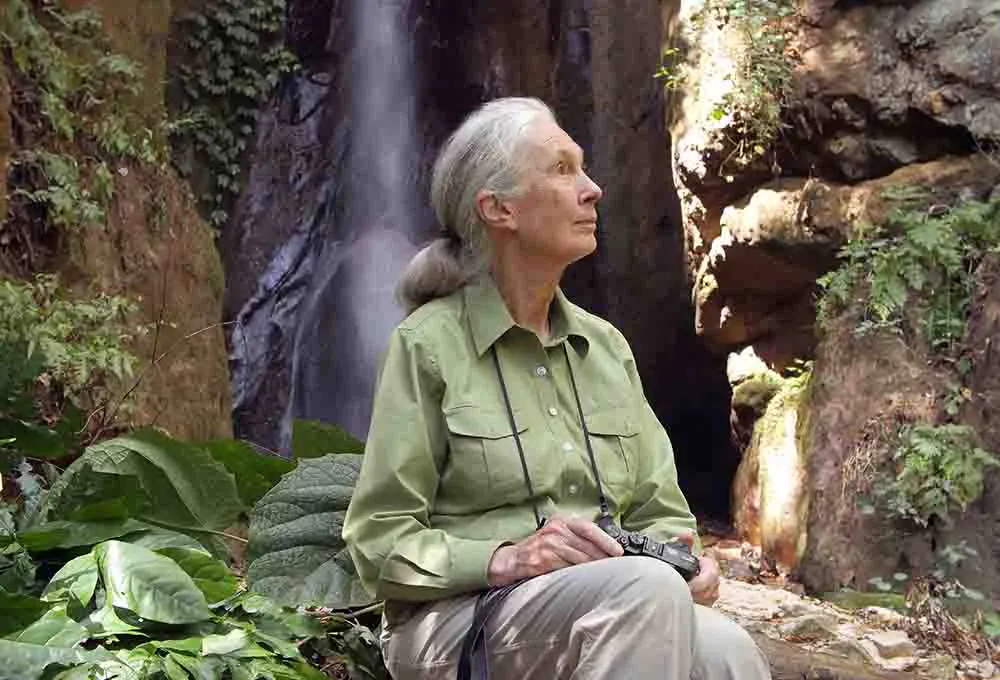
© JGI/Bill Wallauer
獲獎與榮譽
1963 富蘭克林·巴爾獎(國家地理學會)/ 1980 金方舟勳章(野生動物保護活動獎)/ 1987 阿爾伯特·史懷哲獎 / 1990 京都獎(稻盛財團)/ 1995 哈伯德獎章(國家地理學會)/ 2001 甘地·金恩獎 / 2002 被聯合國秘書長科菲·安南任命為和平大使 / 2002 被英國女王伊麗莎白二世授予大英帝國勳位 / 2003 傑明·富蘭克林獎章 / 2003 西班牙王子獎(科學技術部門)/ 2017 國際宇宙獎(國際花卉與綠色博覽會紀念協會)/ 2020 唐獎–永續發展獎 / 2021 年度鄧普頓獎 / 2024 總統自由勳章
Awards and Honors
1963 Franklin Barr Award (National Geographic Society) / 1980 Golden Ark Medal (Honor for Wildlife Conservation) / 1987 Albert Schweitzer Award / 1990 Kyoto Prize (Inamori Foundation) / 1995 Hubbard Medal Award (National Geographic Society) / 2001 Gandhi King Award / 2002 Appointed Ambassador for Peace by UN Secretary-General Kofi Annan / 2002 DBE (Order of the British Empire) by Queen Elizabeth II / 2003 Benjamin Franklin Medal Prize / 2003 Prince of Spain Prize (Science and Technology) / 2017 International Cosmos Prize (Commemorative Association for the International Garden and Greenery Exposition) / 2020 Tang Prize in Sustainable Development/ 2021 Templeton Prize/ 2024 Presidential Medal of Freedom
授予榮譽博士學位的大學
荷蘭烏特勒支大學 / 德國慕尼黑路德維希-馬克西米利安大學 / 蘇格蘭斯特靈大學 / 台灣靜宜大學 / 加拿大圭爾夫-萊爾森大學 / 美國布法羅大學,塔夫茨大學 / 京都大學
Honorary Doctorates
Utrecht University, The Netherlands / Ludwig-Maximilians-Universität München, Germany / Stirling University, Scotland / Providence University, Taiwan / Guelph-Ryerson University, Canada / University at Buffalo, Tufts University, USA / Kyoto University
JGI的活動
What We Do
根與芽計畫
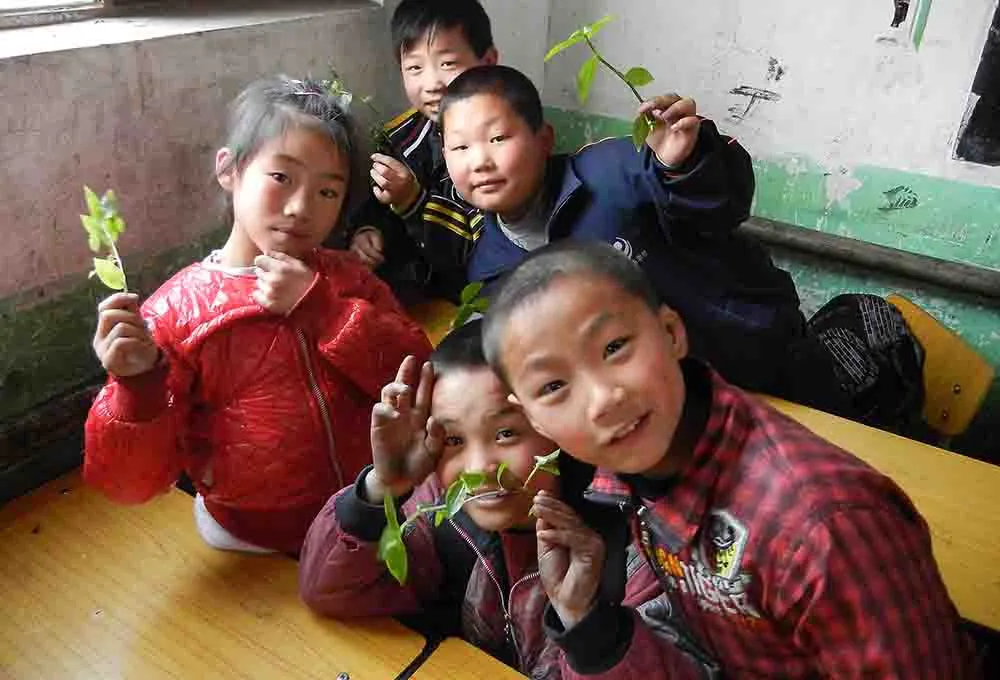
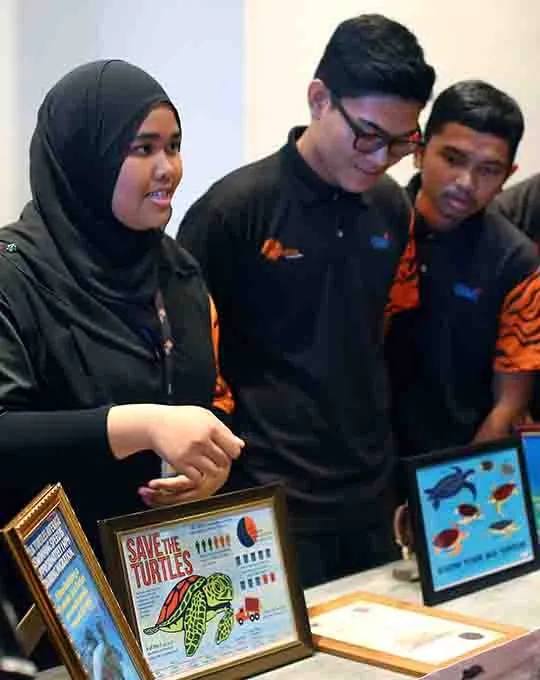
「根與芽計畫」是一個青少年主導的環保倡議。當年輕一代發現自己周圍社區的問題,並透過自己的思考和行動參與解決這些問題時,以逐步培養對地球所需的關懷。
培養珍惜這個地球的心,是所有世代的責任。有能力自信地在日常生活中展現自己能力的年輕人,正在領導一場克服氣候危機的全球運動。他們的活動涉及環境問題、動物保護、貧困問題和災後重建等多個領域,目前在100多個地區持續蓬勃發展,這些年輕的變革者在各地展現出令人驚嘆的成就。
Roots & Shoots
Through Roots & Shoots, participants identify and address problems in their communities, while becoming the compassionate citizens that our planet needs. We partner with schools, educators and youth organizations to inspire and educate young people to make a difference on an individual level.
Empowering young people to care for the world they inherit is the responsibility of every generation. Through our Roots & Shoots program, we are leading a global movement in conservation by equipping an entire generation of young people to become activated and empowered conservation minded citizens in their daily lives. Now nearly 100 countries strong and growing, Roots & Shoots is an unprecedented multiplying force in conservation and service-based learning, giving young people the knowledge and confidence to act on their beliefs and make a difference by being part of something bigger than themselves.
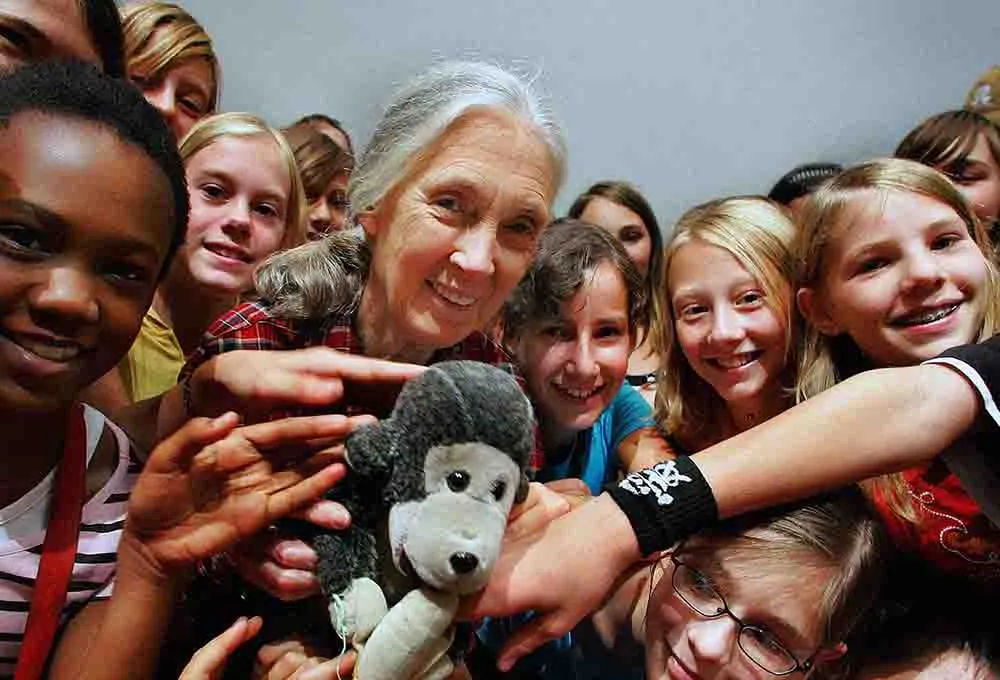
© Robert Ratzer
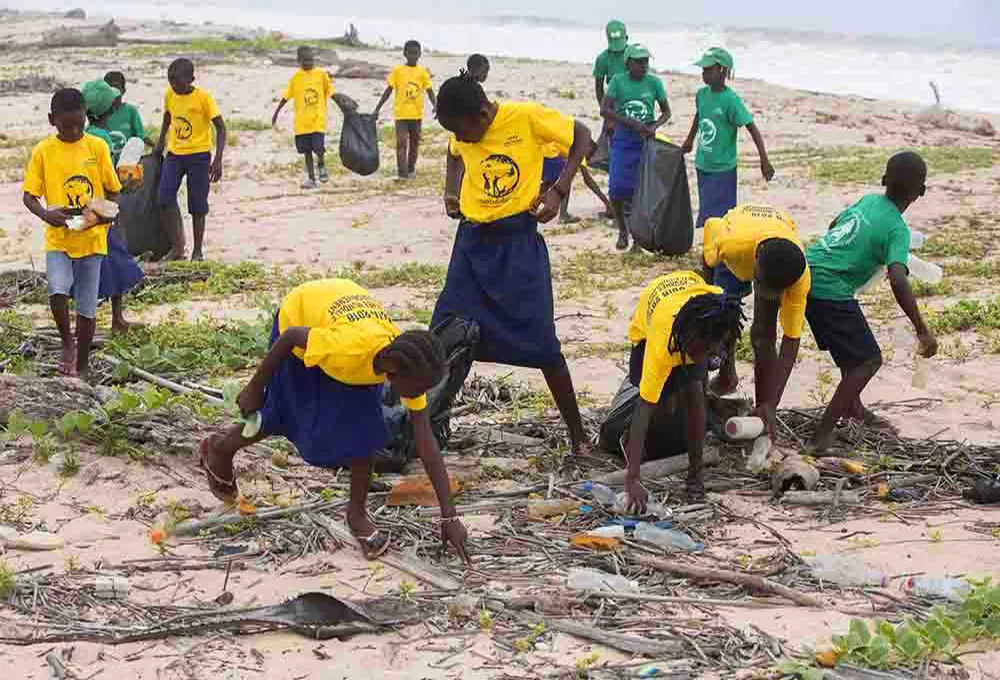
© JGI/Fernando Turmo
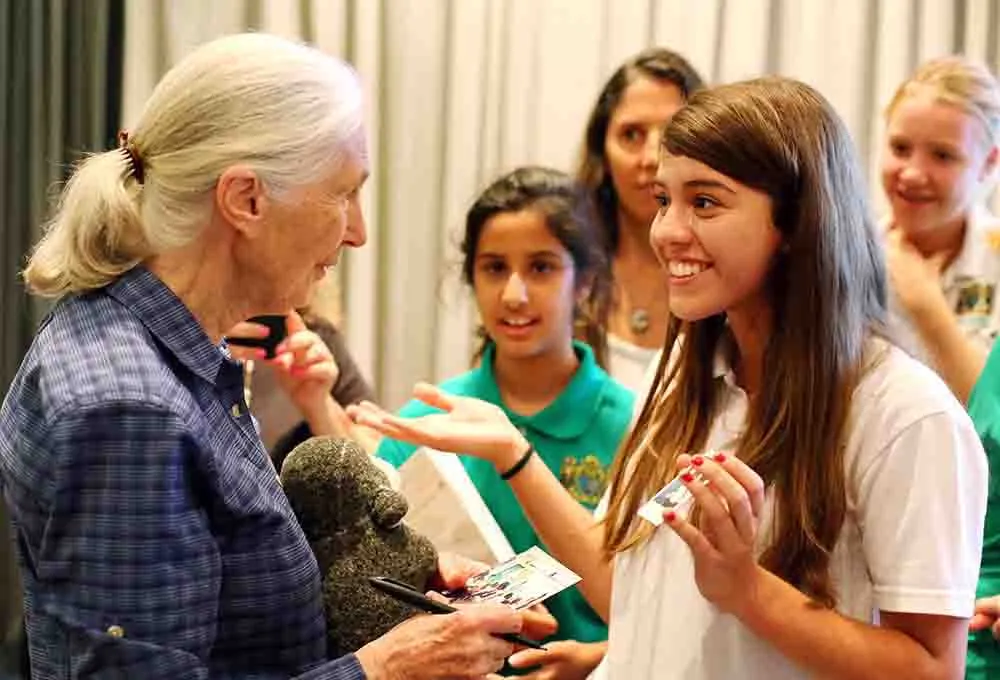
© Roots & Shoots Malaysia
© Roots & Shoots Malaysia
塔卡里
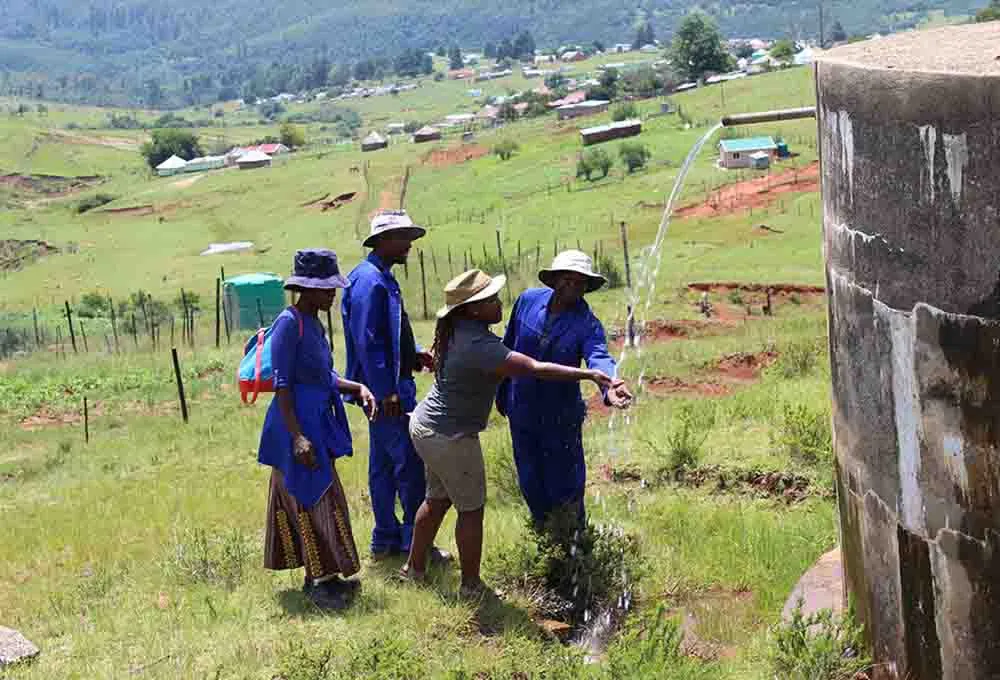
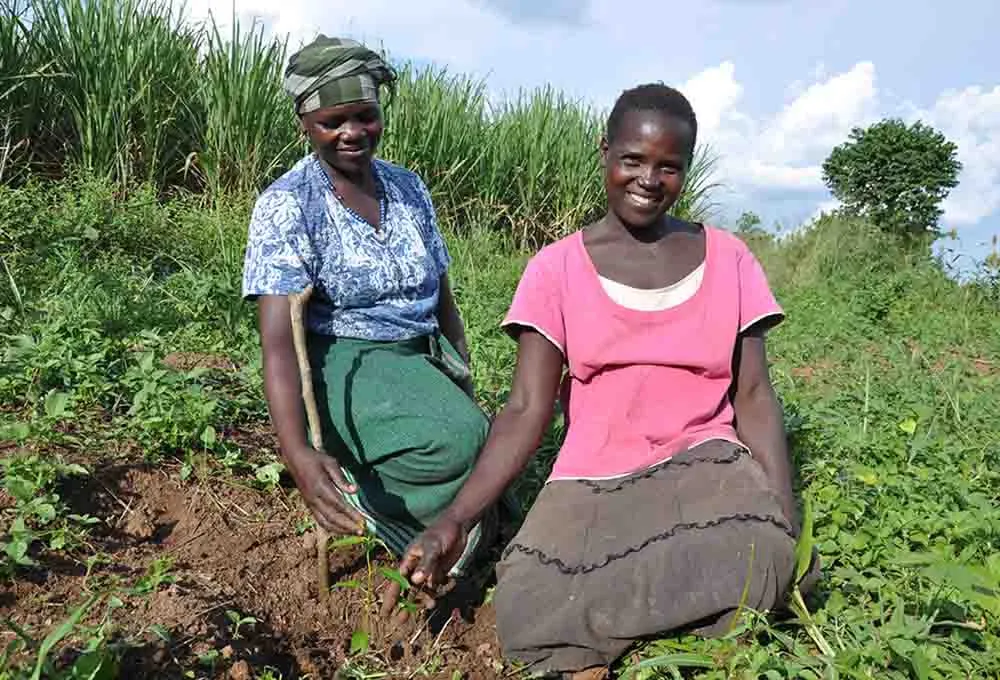
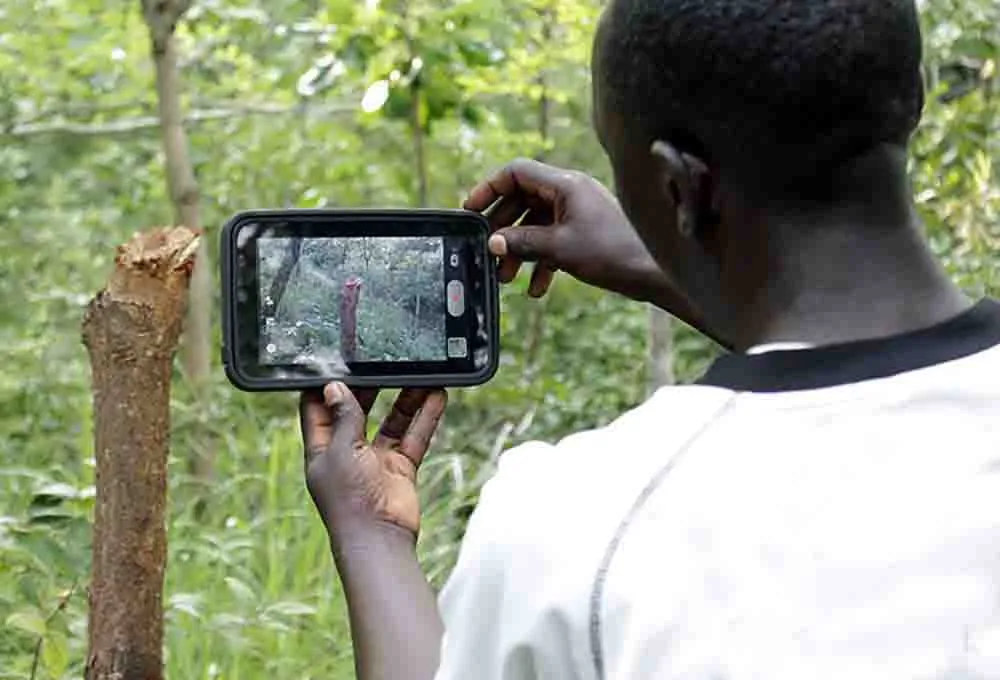
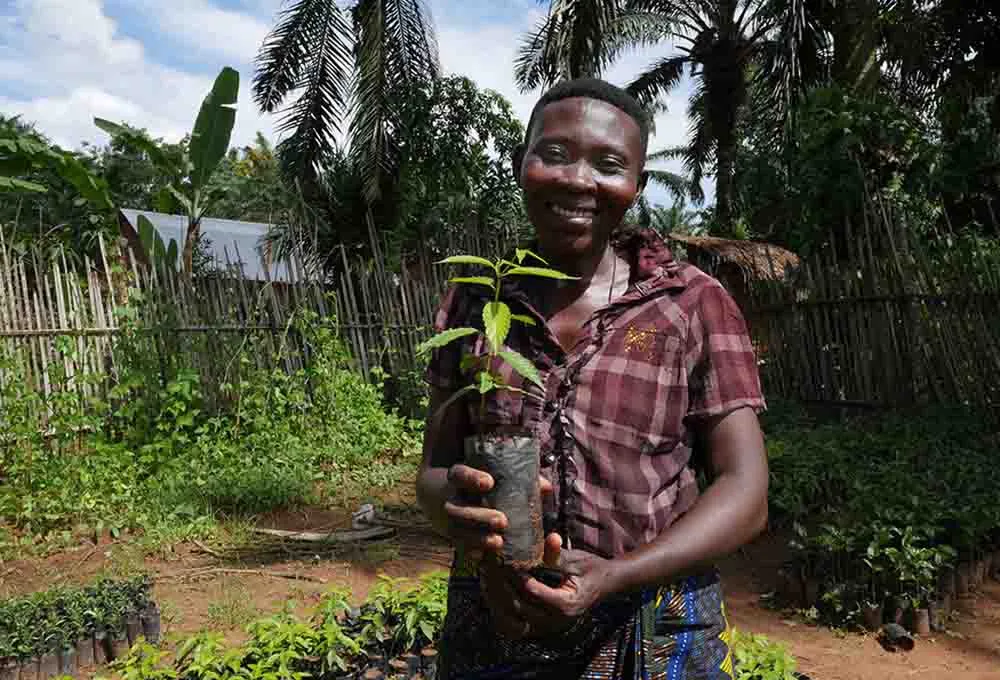
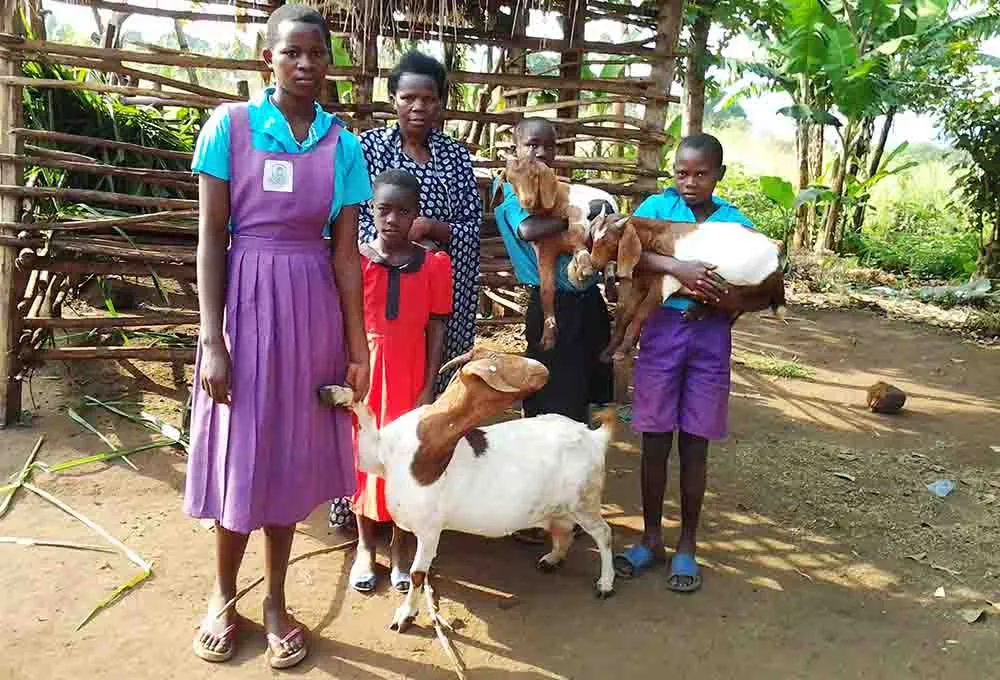
塔卡里(Tacare)項目於1994年在坦桑尼亞的岡貝國家公園附近的村莊開始實施。珍古德博士親眼目睹了人們砍伐樹木,曾經美麗的森林逐漸消失。她在探究其原因後,發現當地居民深受貧困困擾,為了生存而進行開墾。於是,她與曾在非政府組織工作的當地人一起走訪村莊,傾聽村民的困難,並共同尋找解決方案。他們與當地居民一起努力,掌握環境負擔較小的農業技術,為兒童和婦女提供平等的教育機會,改善醫療服務和公共衛生等。如今,村民們擔當起地球守護者的重要角色,重新生長的森林見證了多年努力的成果。
Tacare
JGI launched the Tacare (“Take care”) program in 1994. This community-centered conservation and development program partners with local inhabitants to create sustainable livelihoods while promoting environmental protection. One important way this approach works is by identifying what drives conservation threats in partnership with local communities and finding solutions together. One major issue driving threats to people and ecosystems is gender inequity. In response, we created a Girls Scholarship Program and Gender Equity infused across our projects. When people have equal access to education, they are more able to take advantage of opportunities and participate in sustainable livelihoods, which ultimately benefits people, wildlife, ecosystem, and the world.
© JGI/Jemima Arikiriza
© JGI/Brenda Mirembe
© JGI/Shawn Sweeney
© JGI/Shawn Sweeney

© JGI/Shawn Sweeney
© JGI Uganda
岡貝流域研究中心
岡貝流域研究中心成立於1965年,位於坦桑尼亞的岡貝國家公園內,這裡是珍古德博士開始其調查研究的起點,位於坦噶尼喀湖東北岸。研究至今仍在繼續,成為了最長久的黑猩猩野外調查基地。該中心利用最先進的技術取得創新研究成果,支持野生動物保護和環境保育,至今持續保持世界一流研究中心的地位。
Gombe Stream Research Center
Founded in 1965, today the Gombe Stream Research Center is home to the longest-running field research on chimpanzees and remains a world-class research station that uses the best available methods to advance innovative science, support conservation, train Tanzanian scientists, and further develop the long-term primate research and investigation started by Dr. Jane Goodall.
黑猩猩保護中心(庇護所)
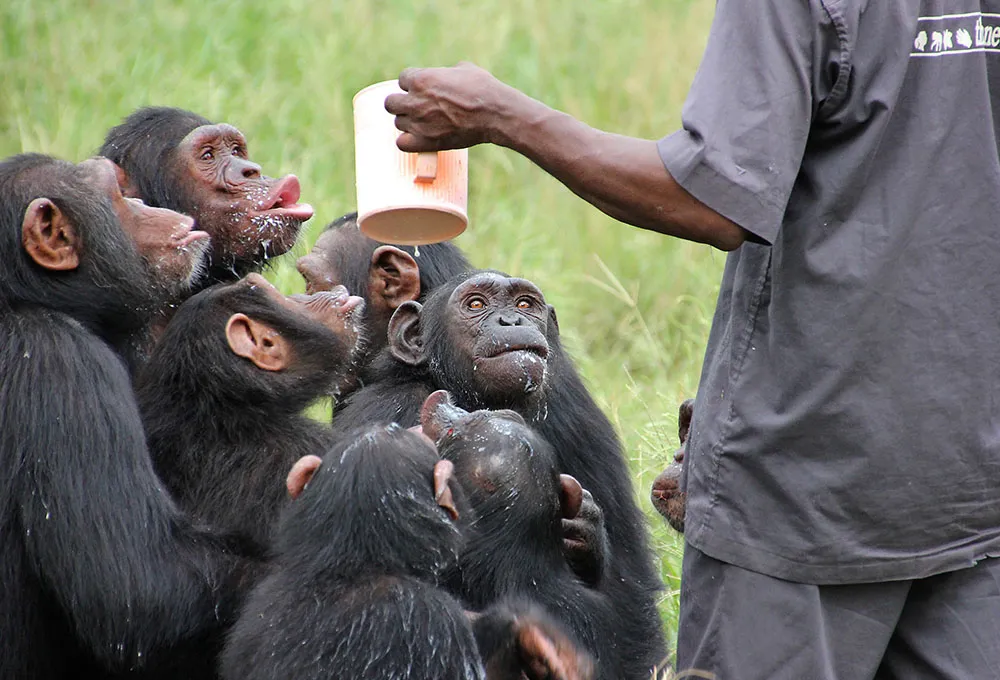
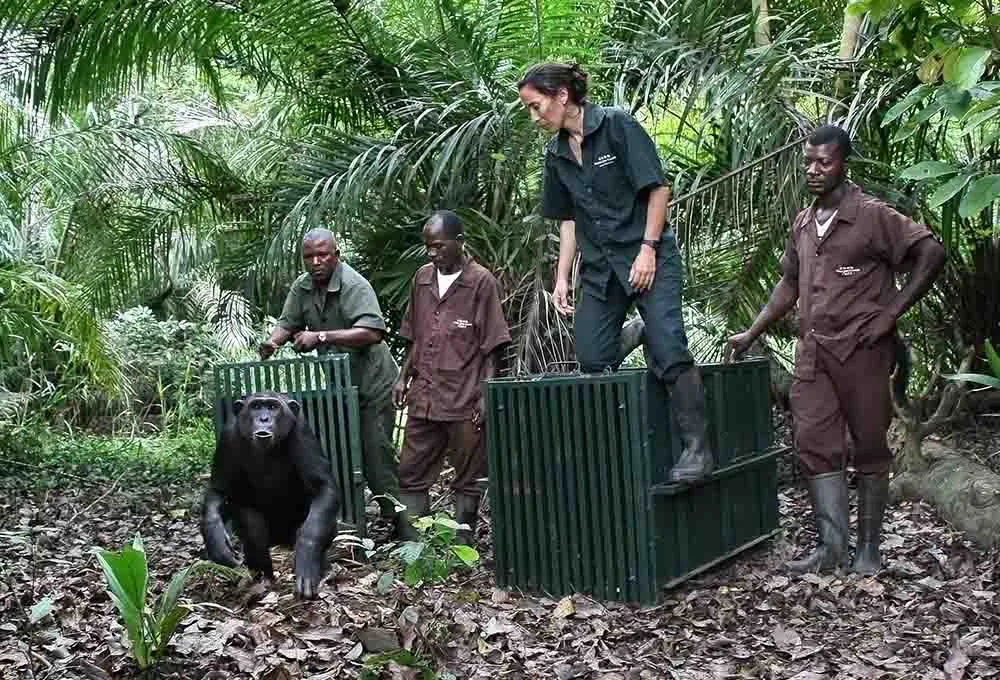
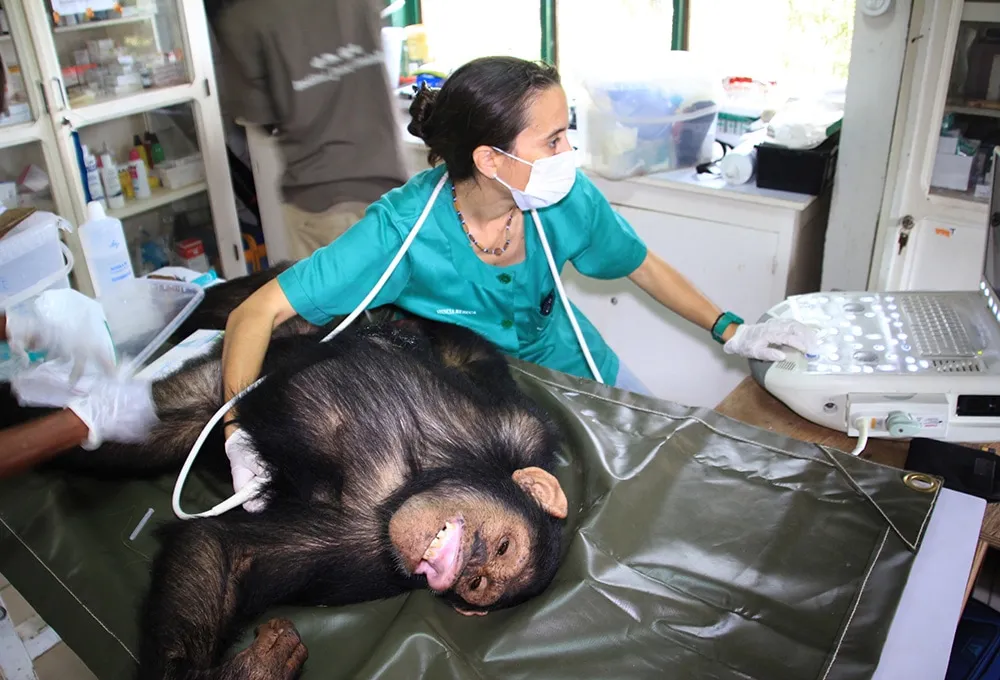
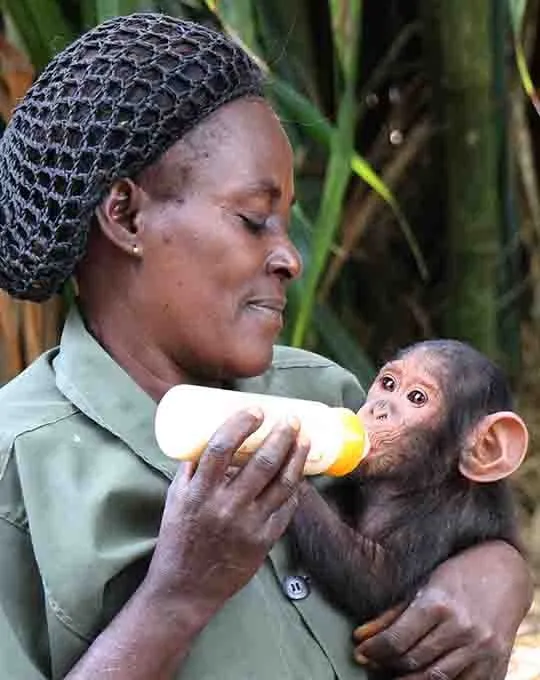
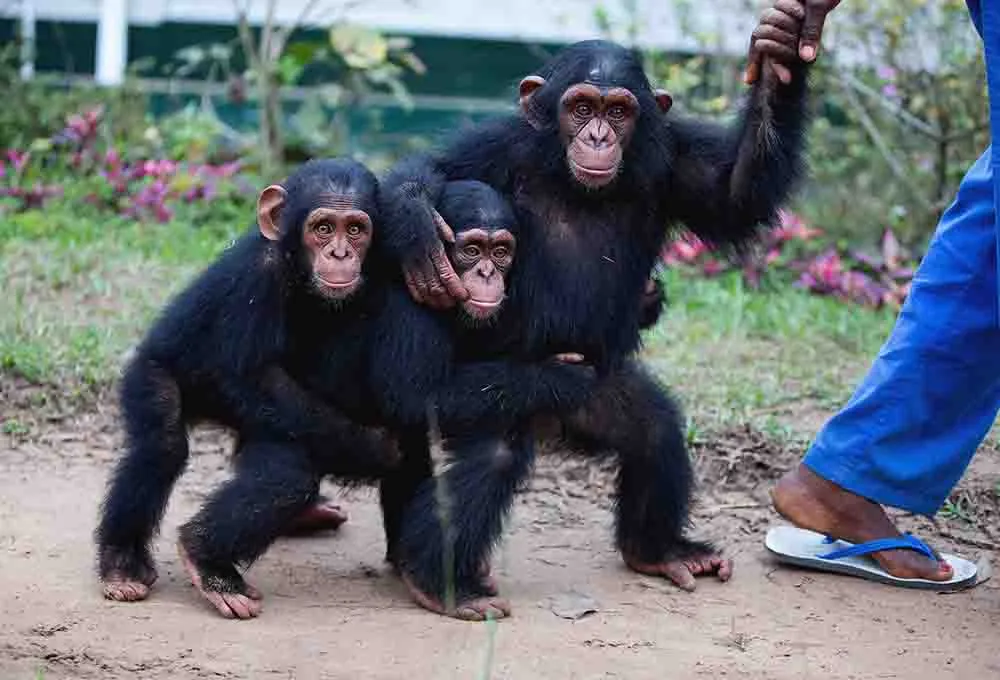
於1992年成立的欽普溫加黑猩猩庇護所是JGI最大規模的保護中心。此中心救助並復原那些被剛果共和國當地當局從野生動物非法交易和盜獵者手中救出的、患病、營養不良或受傷的孤兒黑猩猩。
此保護中心被剛果共和國廣闊的熱帶雨林環繞,擁有庫盧河沿岸的三個島嶼。這條河成為保護黑猩猩遠離叢林肉貿易和開發威脅的天然屏障,豐富的原始森林為受保護的黑猩猩提供了一個近似野外環境的安全家園。感謝現場工作的專家、照顧者等專業人員組成的專業團隊,目前已有超過200隻黑猩猩在此生活。此外,我們也在肯尼亞、坦桑尼亞和南非等地成立保護中心。
Sanctuary
Established in 1992, Tchimpounga Chimpanzee Rehabilitation Center has provided life-saving rehabilitation and sanctuary to sick, malnourished and injured orphan chimpanzees rescued from markets and homes by local authorities in the fight against wildlife trafficking and poaching in the Republic of Congo.
Surrounded by 129,000 acres of dense rainforest and savannah, with three islands along the Kouilou River, it provides a natural barrier to keep them safe from wild chimpanzee bushmeat hunters, encroaching development and other threats. Looking forward, the islands’ undisturbed forests will provide a wealth of food and habitat to support healthy, secure living in a near-wild environment for the chimpanzees we release. These islands are another advance in providing sanctuary that is as close as possible to life in the wild. This sanctuary has been home to over 200 chimpanzees. Thanks to an incredible team of on-the-ground experts, compassionate caregivers, and dedicated local communities, these rescued chimpanzees are given a second chance.
© JGI/Fernando Turmo
© JGI/Fernando Turmo
© JGI/Fernando Turmo
JGI的九大面向策略方針
「在森林中生活時,我能感受到萬物是相連的」—正如珍古德博士所說,人類、動物和自然環境如同編織的織物相互交織,構成了生態系統。JGI重視全面性的方法,其活動的九個關鍵點是「運用和發展環境保育科學」、「打動人心的故事敘述」、「提升公民意識和環境教育」、「生態系統保育」、「性別平等和生殖健康及權利」、「永續發展」、「保護黑猩猩和其他猿類」、「根與芽計畫」以及「調查研究」。此多維度的全面方針中,始終如一的一點是:它們都將社區力量置於自然保護的核心位置。
Our Holistic Approach
“When you live in the forest, it’s easy to see that everything’s connected.” Dr. Jane Goodall said. She discovered that when we put local communities at the heart of conservation, we improve the lives of people, animals and the environment. JGI advances her holistic approach through a tapestry of nine strategies that build on each other and bring the power of community-centered conservation to life. 1) Conservation science, 2) Advocacy, 3) Public awareness & environmental education, 4) Healthy habitats, 5) Gender, health & conservation, 6) Sustainable Livelihoods, 7) Protecting chimpanzees & other great apes, 8) Roots & shoots, and 9) Research.